October 14, 2026

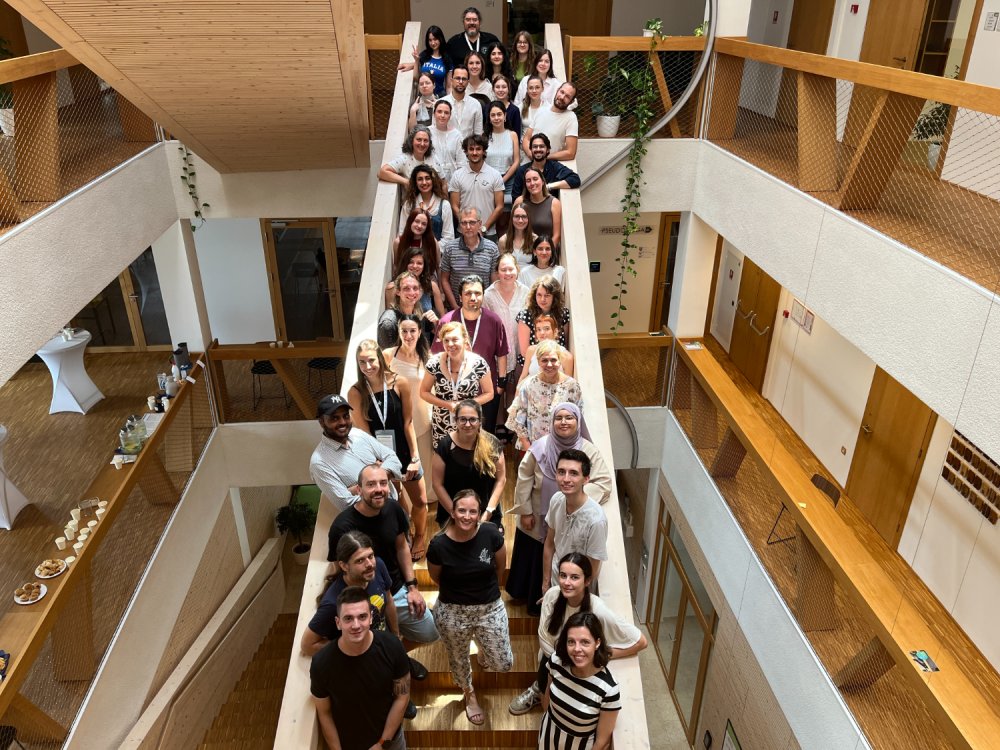
From 29 June to 3 July 2026, UP hosted the T4EU Green Transformer summer school Enabling Innovative Wool Transformation Through Sustainable and Adaptive Resource Processing, which also featured a student design challenge. The summer school is also part of the Design Marathon pilot activity within the Interreg Alpine Space project Woolshed, focusing on finding new, innovative and alternative uses of local sheep wool.
The event encouraged participants to rethink wool not as an agricultural animal by-product to be disposed of, but as a versatile, sustainable, hi-tech bio-based raw material with significant potential for sustainable rural development, circular economy and innovative industrial applications. The participants explored wool applications relating to wool use in agriculture, construction and biorefinery.
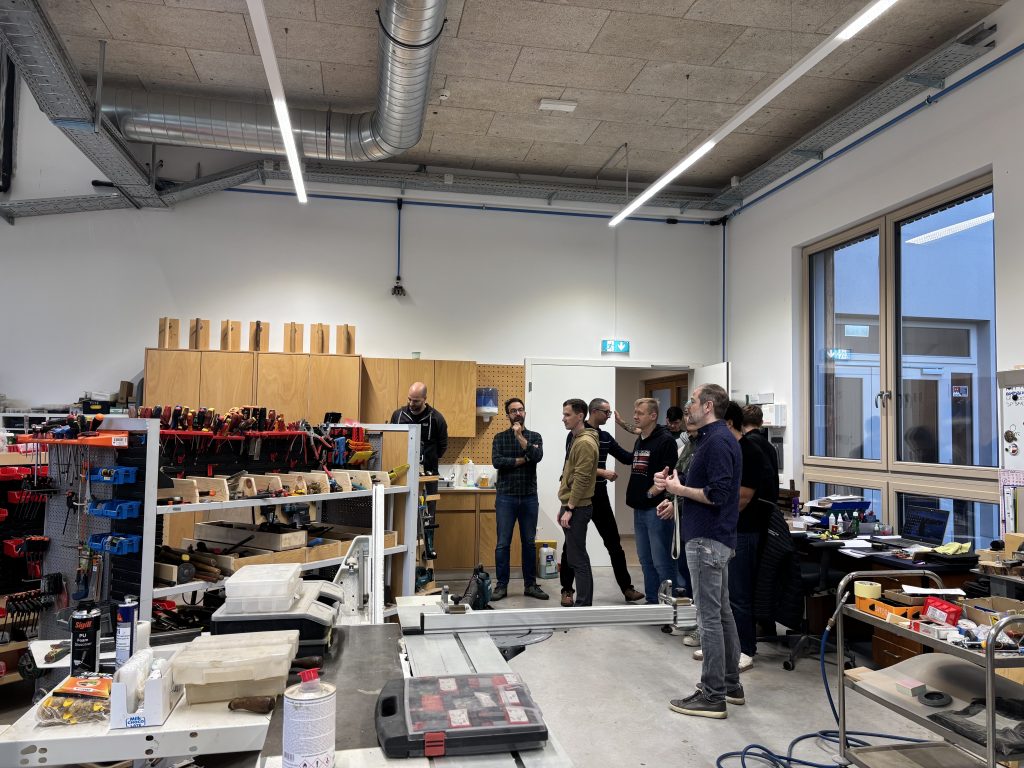
Supported by the state-of-the-art research infrastructure of UP IAM, InnoRenew CoE, and staff from the Institute of Agriculture and Forestry Nova Gorica, the programme offered a unique interdisciplinary curriculum that took participants from the classroom and laboratories to the field. The summer school brough together 28 students from Estonia, France, Germany, Italy, Poland, Portugal, Slovenia, Spain, Sweden and the US.
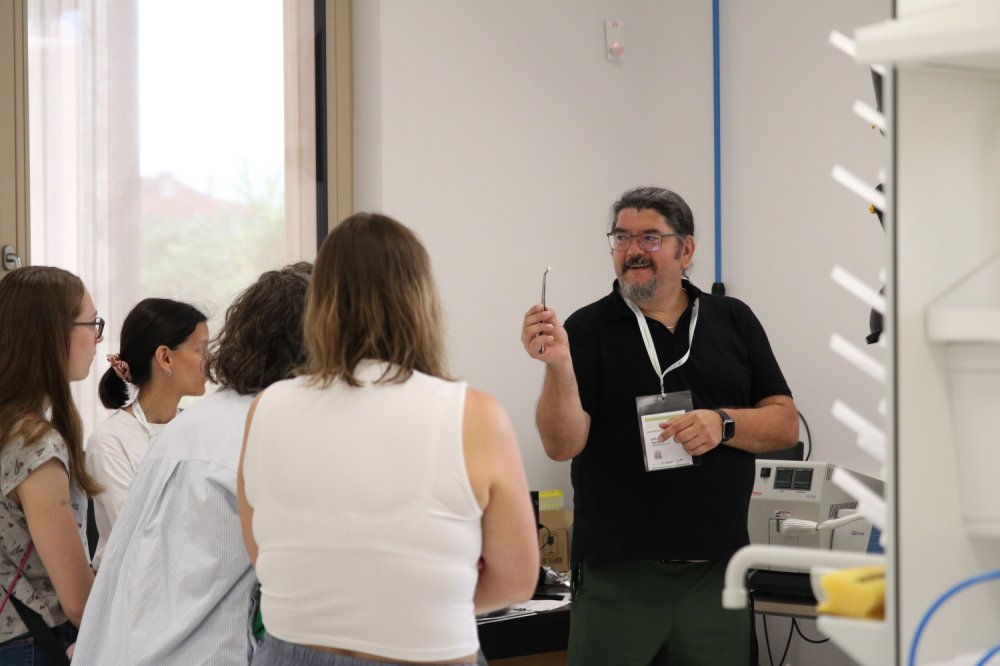
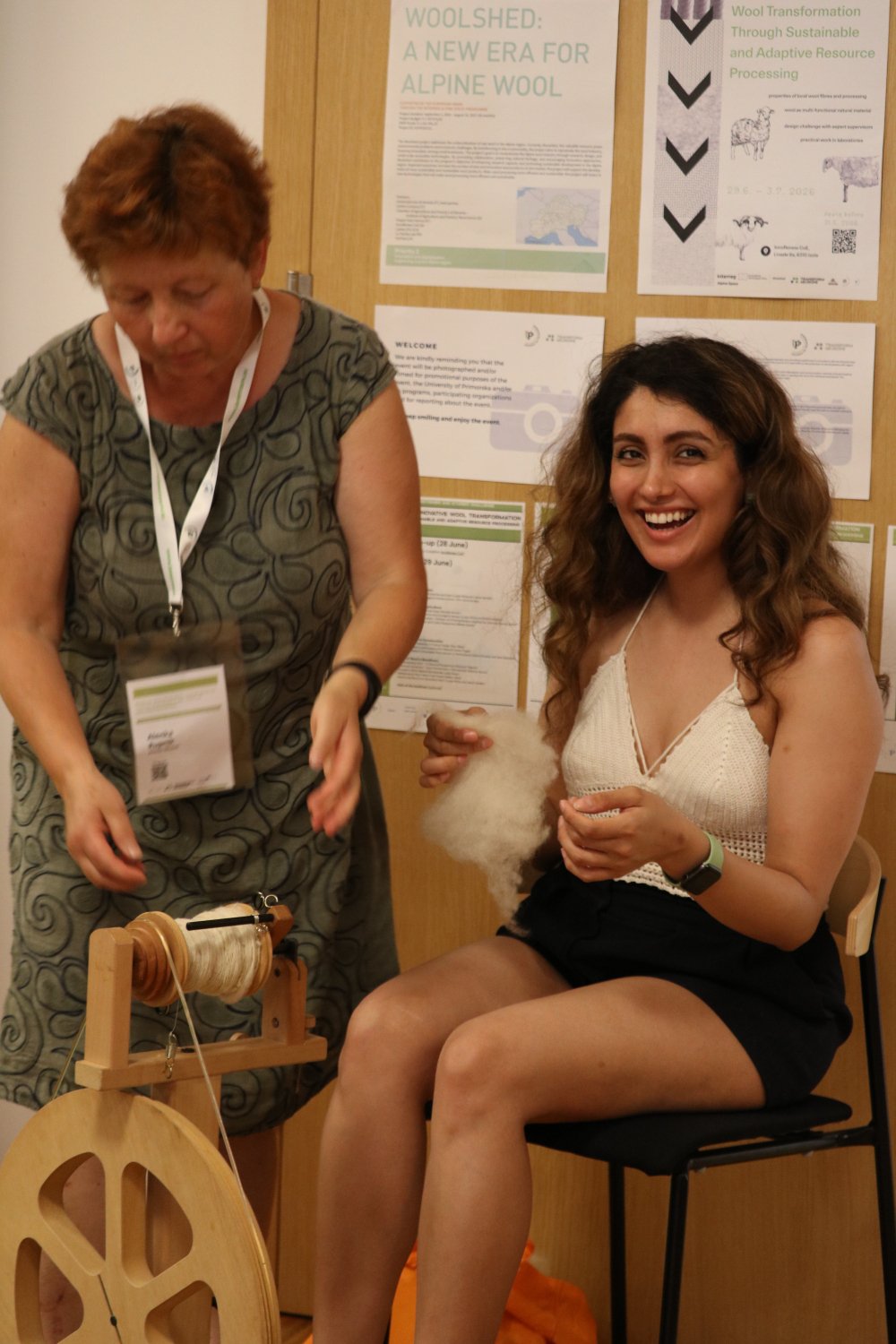
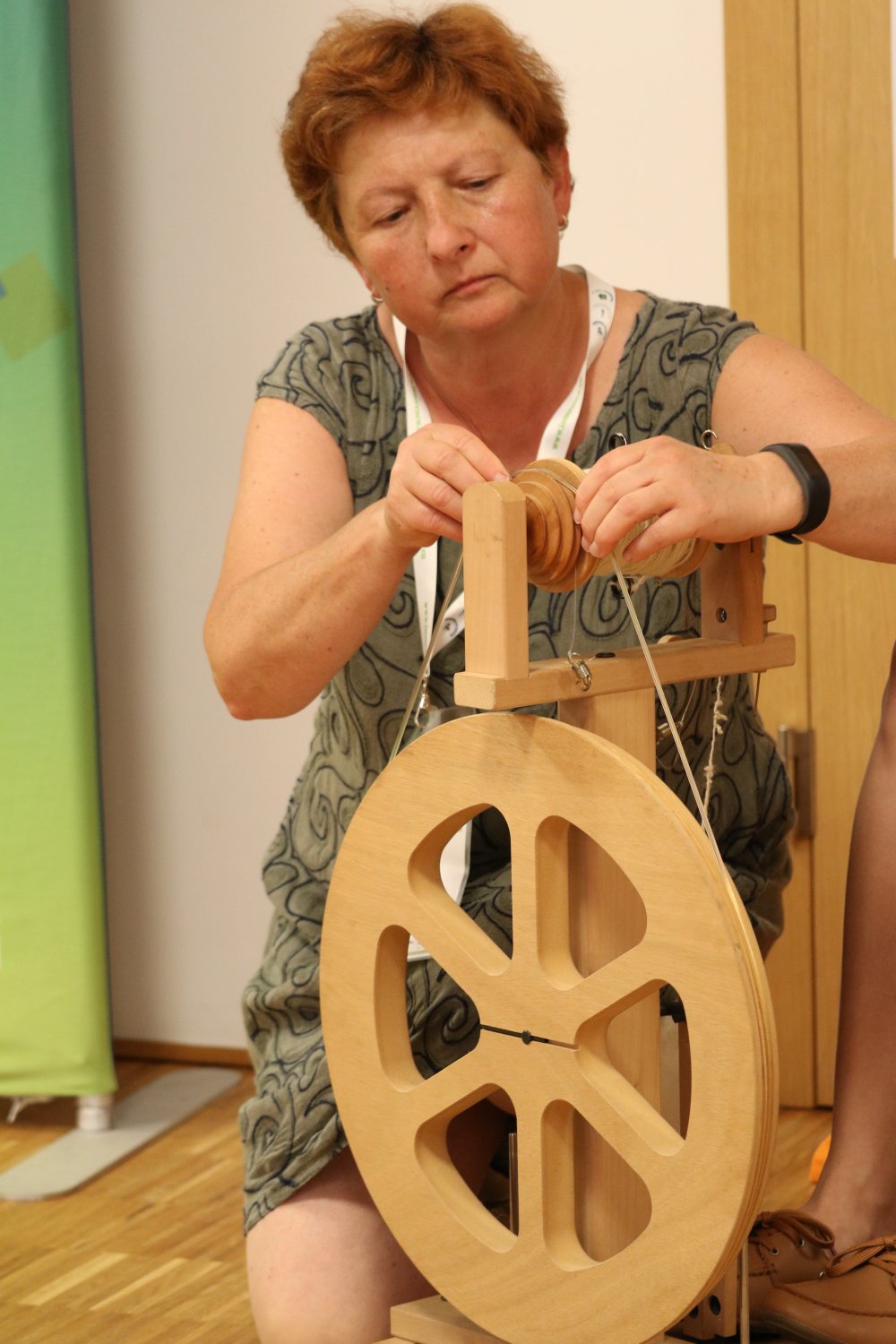
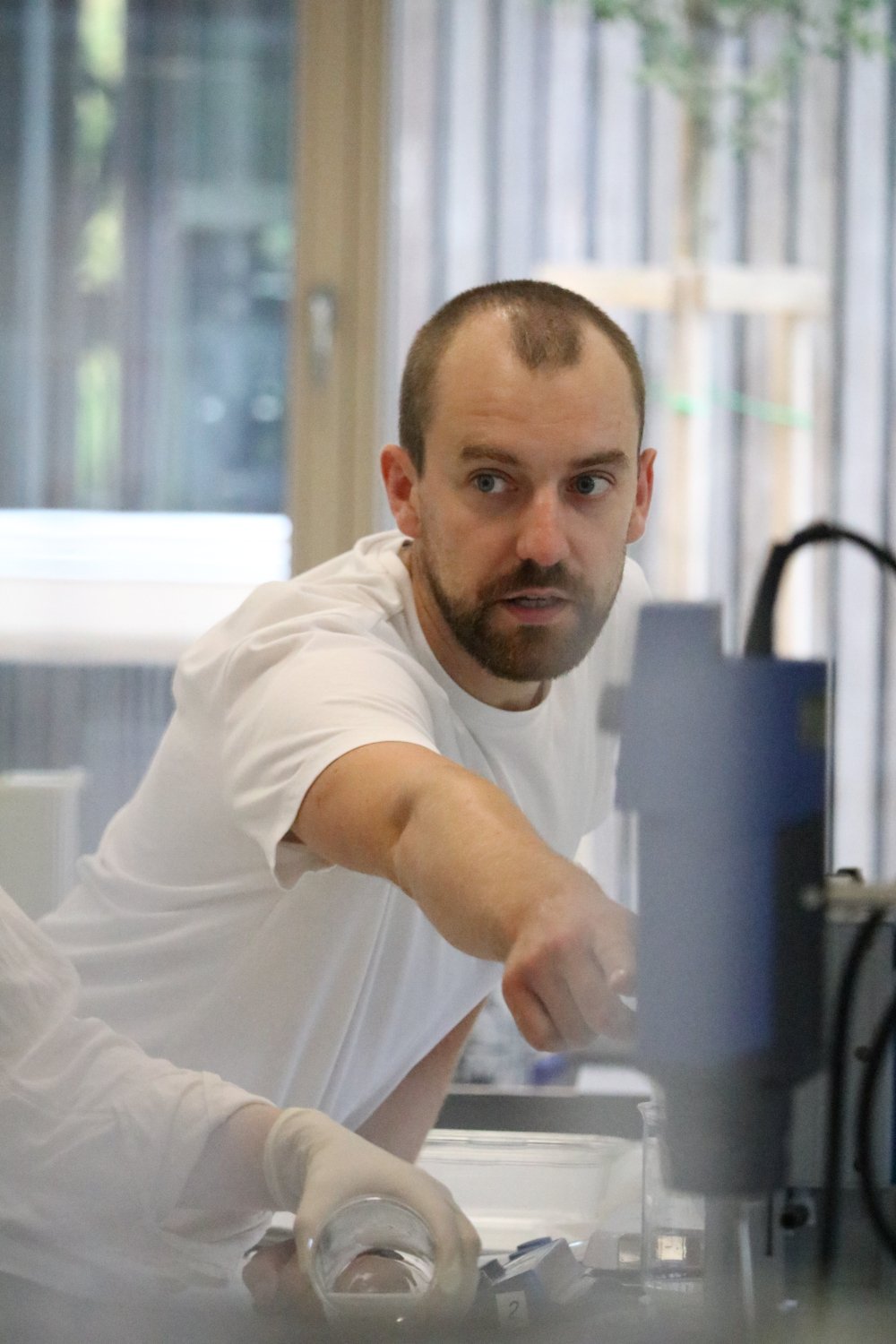
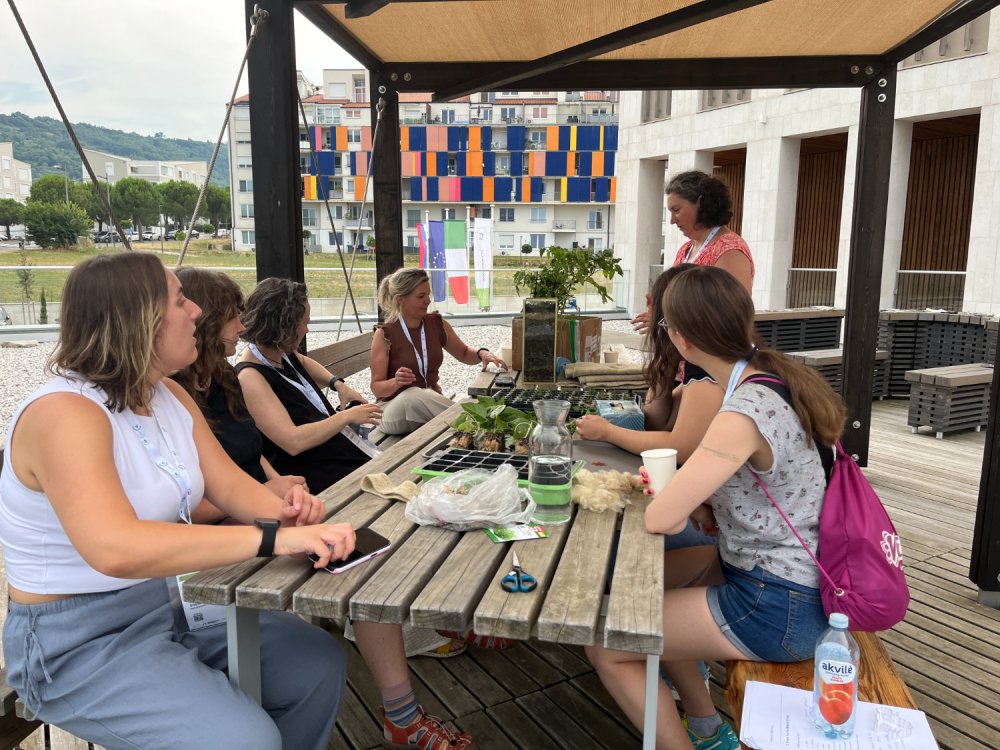
Lectures and expert workshops included work with cutting-edge laboratory equipment at InnoRenew CoE as well as hands-on sessions on wool processing. Participants learned about the origin, properties and uses of wool in agriculture, construction and biorefinery processes. Laboratory activities focused on wool’s chemical composition and characterization, transformation techniques such as fermentation washing, sorting, carding and wet felting, as well as innovative applications, such as 3D printing and the use of wool as a growing substrate.
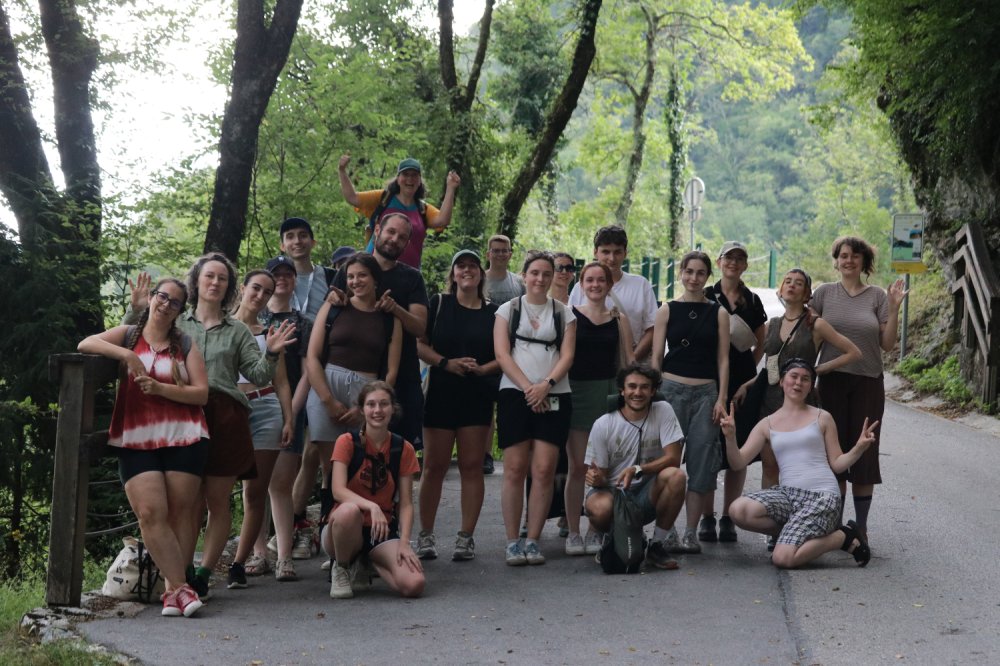
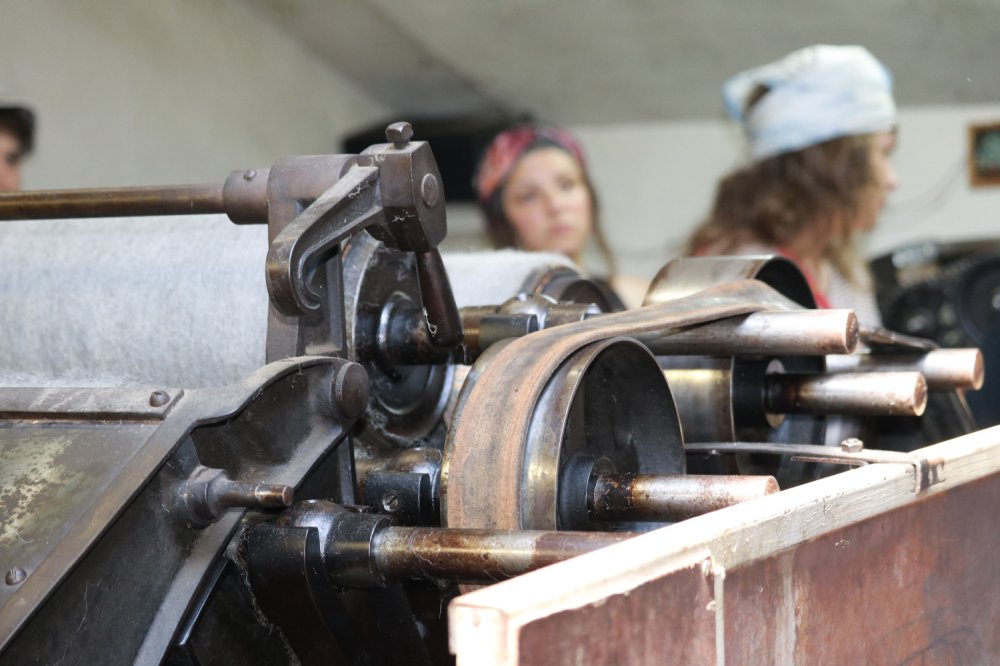
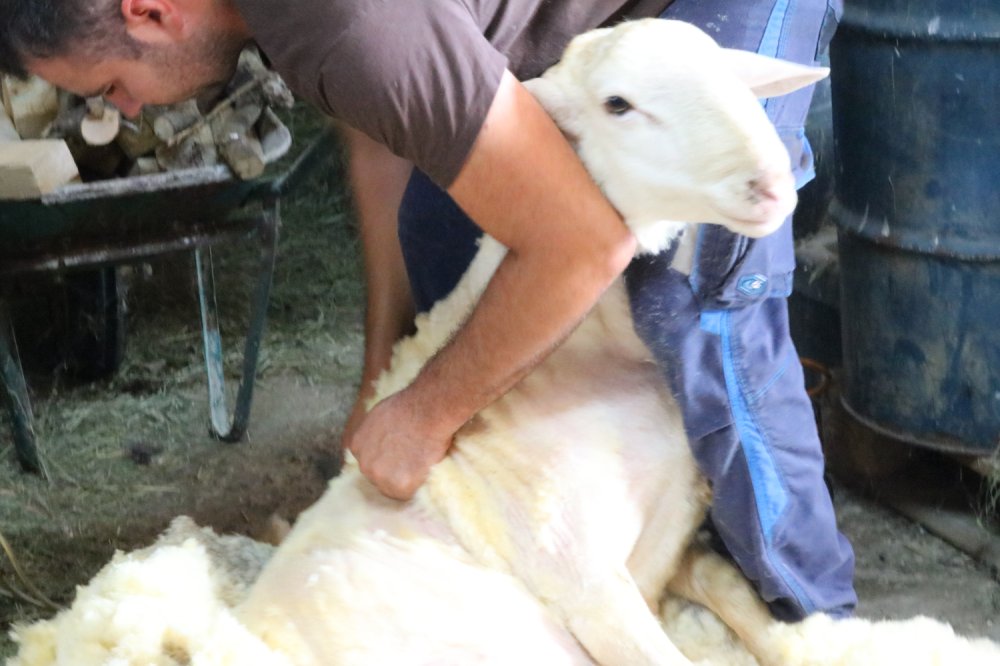
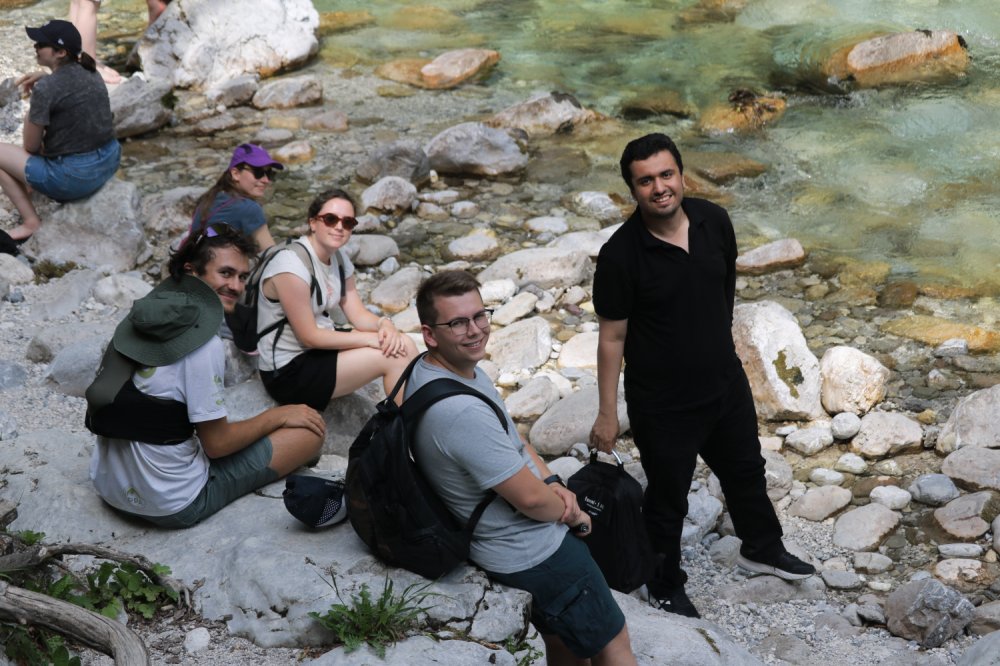
On Wednesday, the participants went on a field trip to a sheep farm in Stomaž, where they observed a professional sheep shearing technique, and to a small-scale spinning mill in Volčja Draga, finishing the excursion with a visit to the Tolmin Gorges.
The final two days of the summer school were dedicated to the student challenge, during which participants worked in interdisciplinary teams to develop prototypes and project concepts inspired by the knowledge and insights gained throughout the week. The programme concluded with presentations showcasing innovative ideas for transforming wool into high-value, sustainable products and solutions.