October 14, 2026

The University of Primorska, together with Oregon State University (USA) led the Alpine Europe: Innovation in the Circular Economy 2026 Summer School, held 15-28 June 2026. It brought together students from the University of Primorska, Saarland University, Oregon State University and partner institutions. The two-week programme focused on sustainability, innovation and the circular economy, offering participants expert visits, practical workshops and opportunities for international collaboration. The participants were accompanied by Dr. Andreja Kutnar, department chair of InnoRenew CoE, UP IAM and Dr. Mohammad Derikvand, InnoRenew CoE, UP IAM researcher.
The Summer School was organised by UP FAMNIT, UP IAM and the NEBAP Hub, in collaboration with Oregon State University, a global partner of the T4EU Alliance. As such this summer school presented a crucial step in strengthening the global relevance of T4EU and its partners.
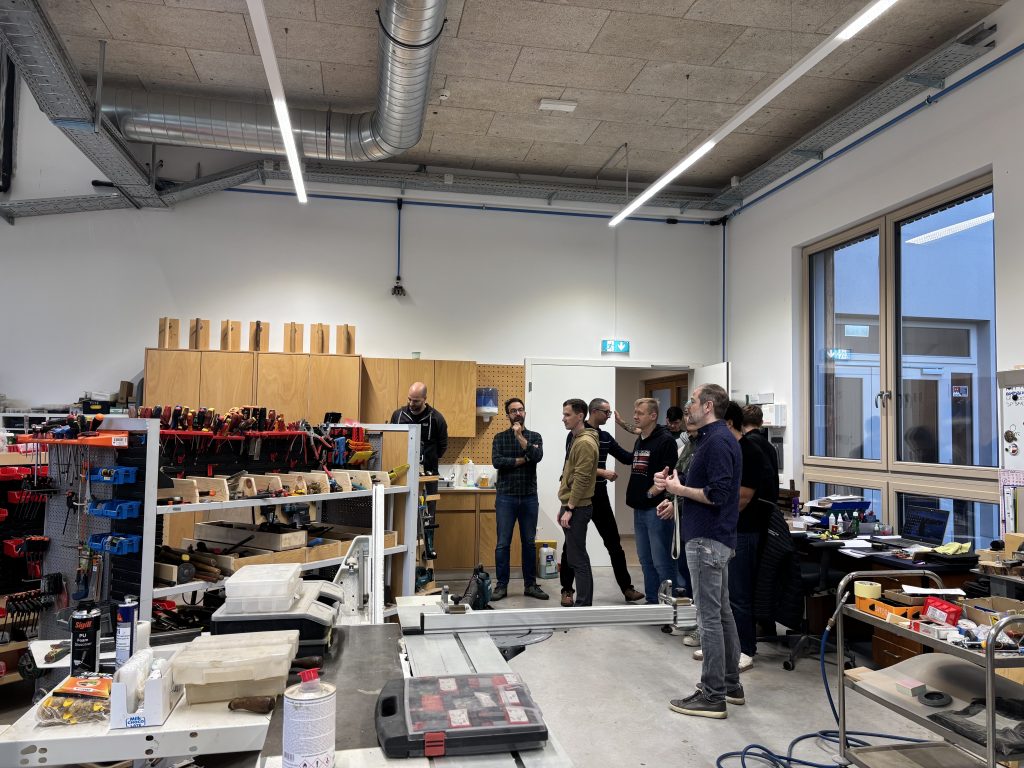
The programme started with a guided tour of Ljubljana, after which participants explored different aspects of sustainable development through a variety of visits, from natural heritage and advanced technologies to the wood-processing industry and timber construction. They visited the forests of Kočevje, the company Yaskawa, Arboretum Volčji Potok and several companies from the wood industry, including Menina, iQwood, M Sora, Jelovica Homes, LIP Bohinj, Profiles, Solis Timber, Stilles and Ledinek. The programme also included a visit to Center Rog in Ljubljana, where participants learned about the transformation of a former industrial building into a creative hub and explored its production laboratories.
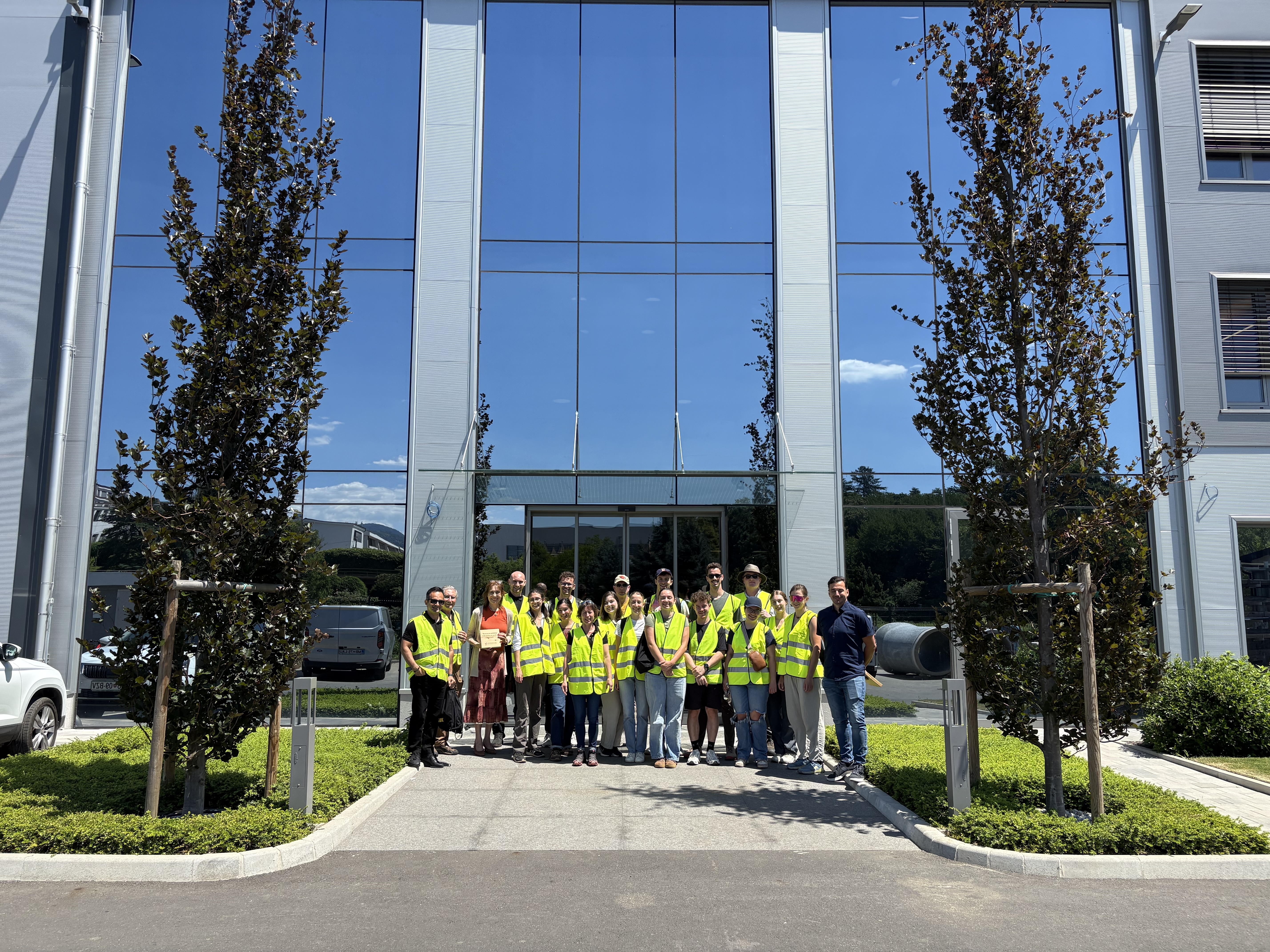
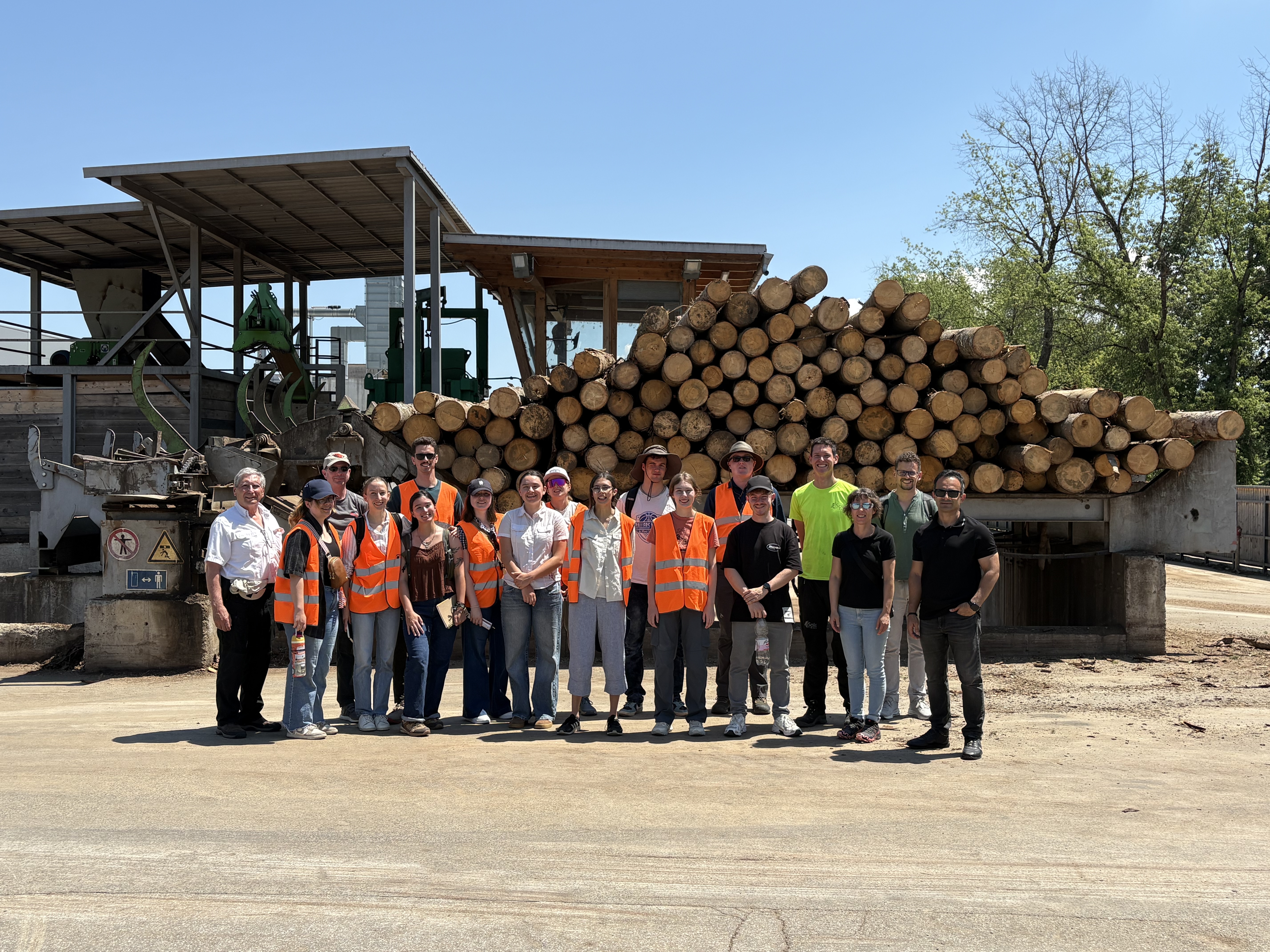
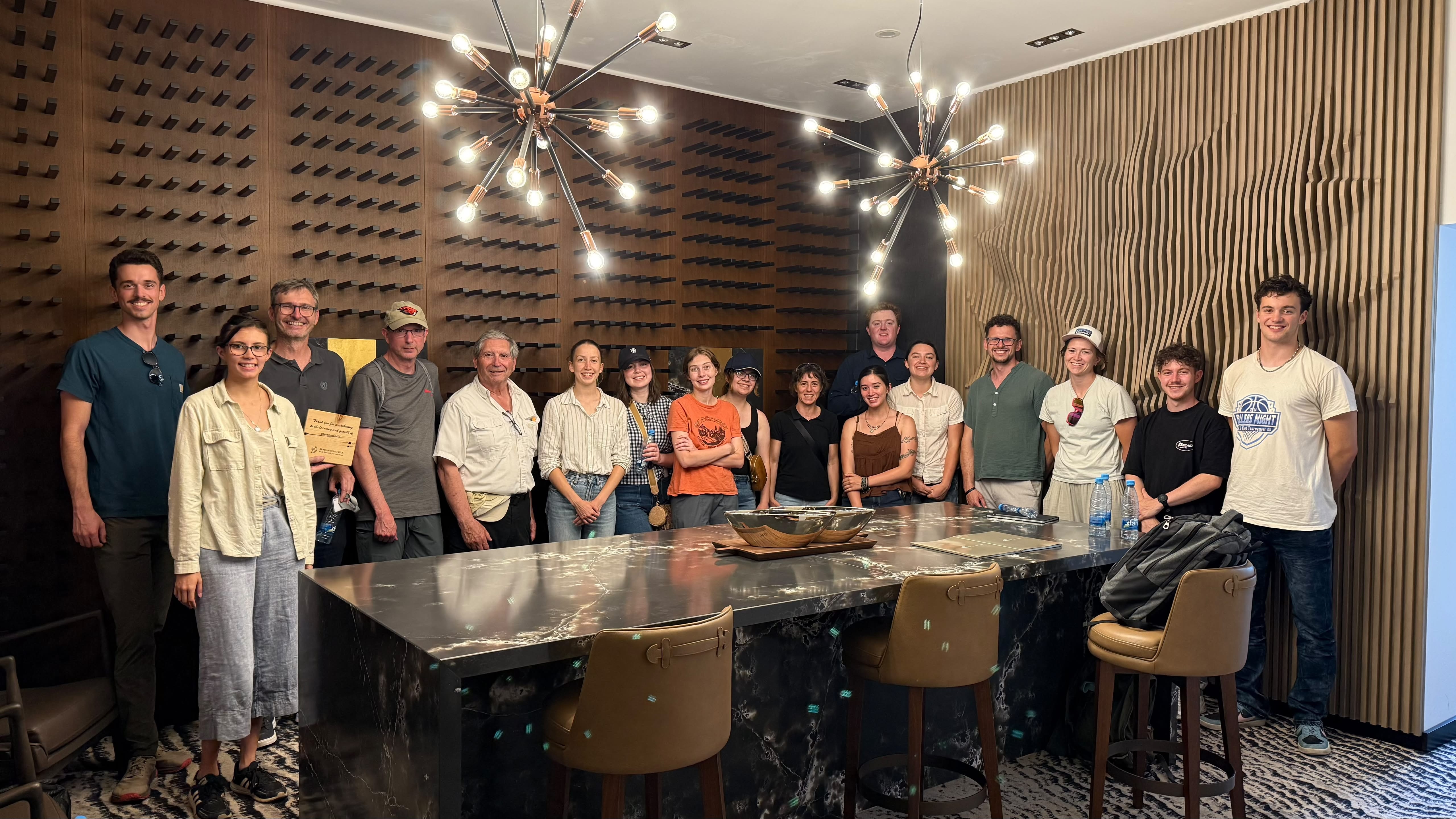
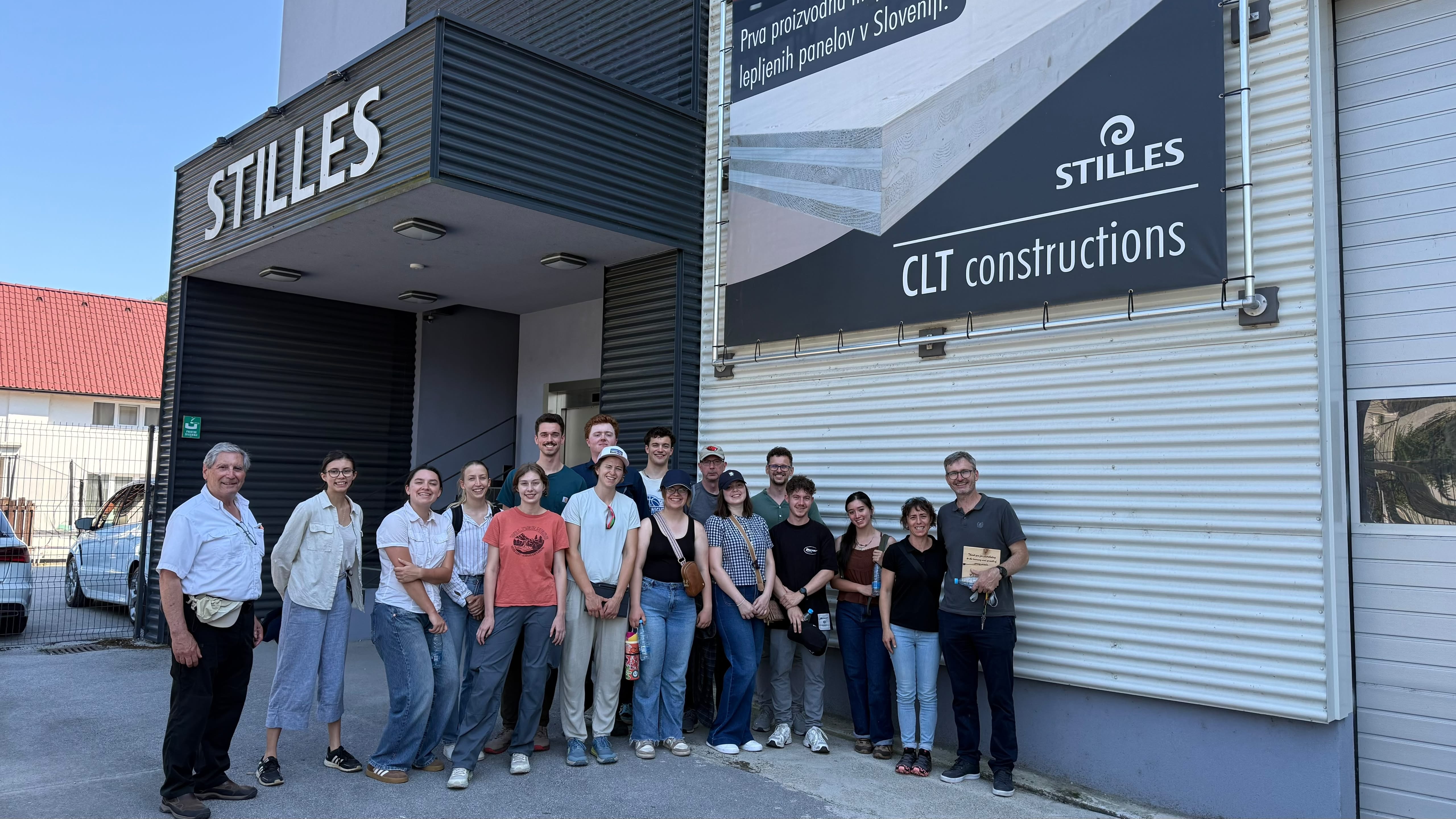
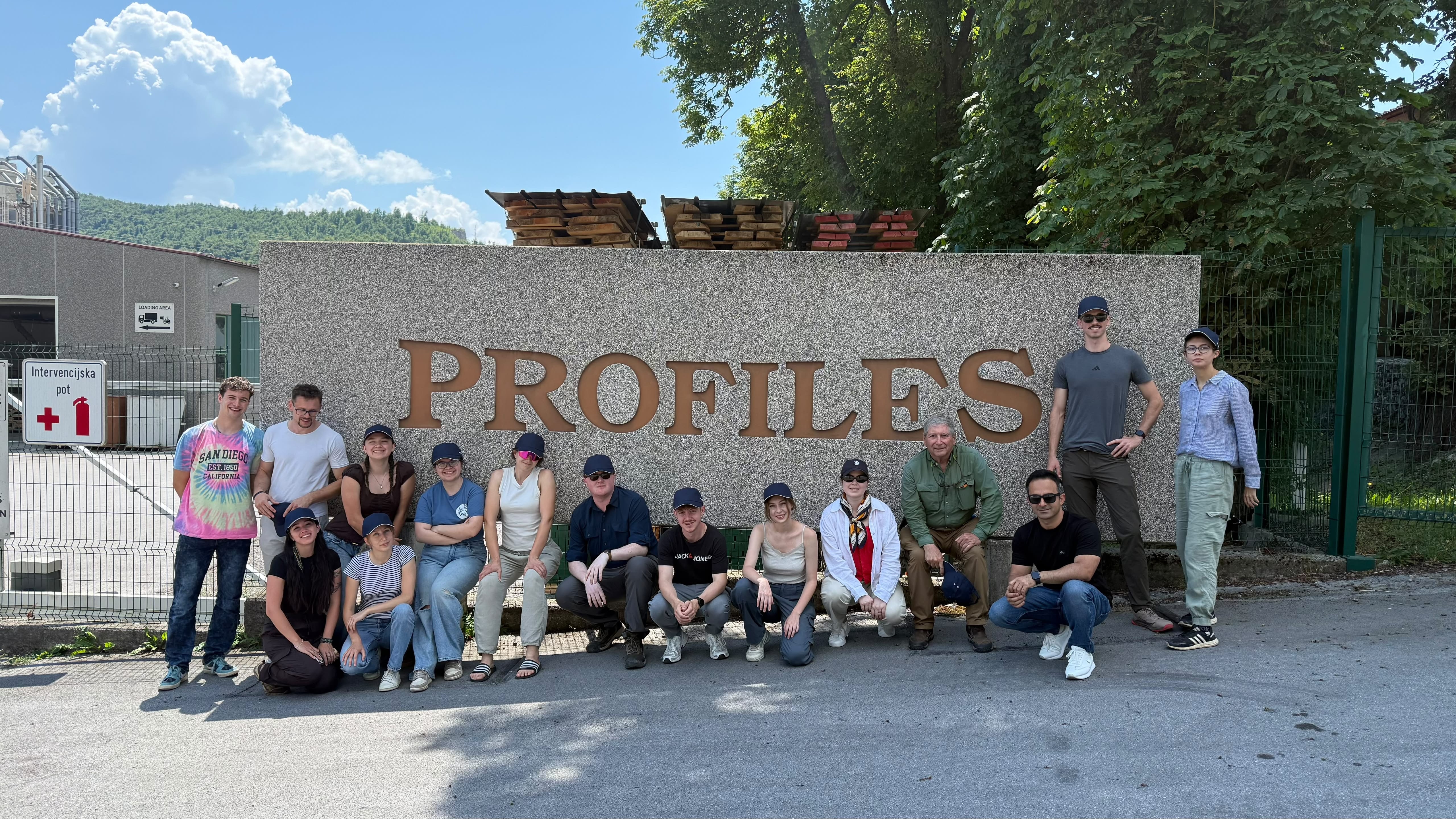
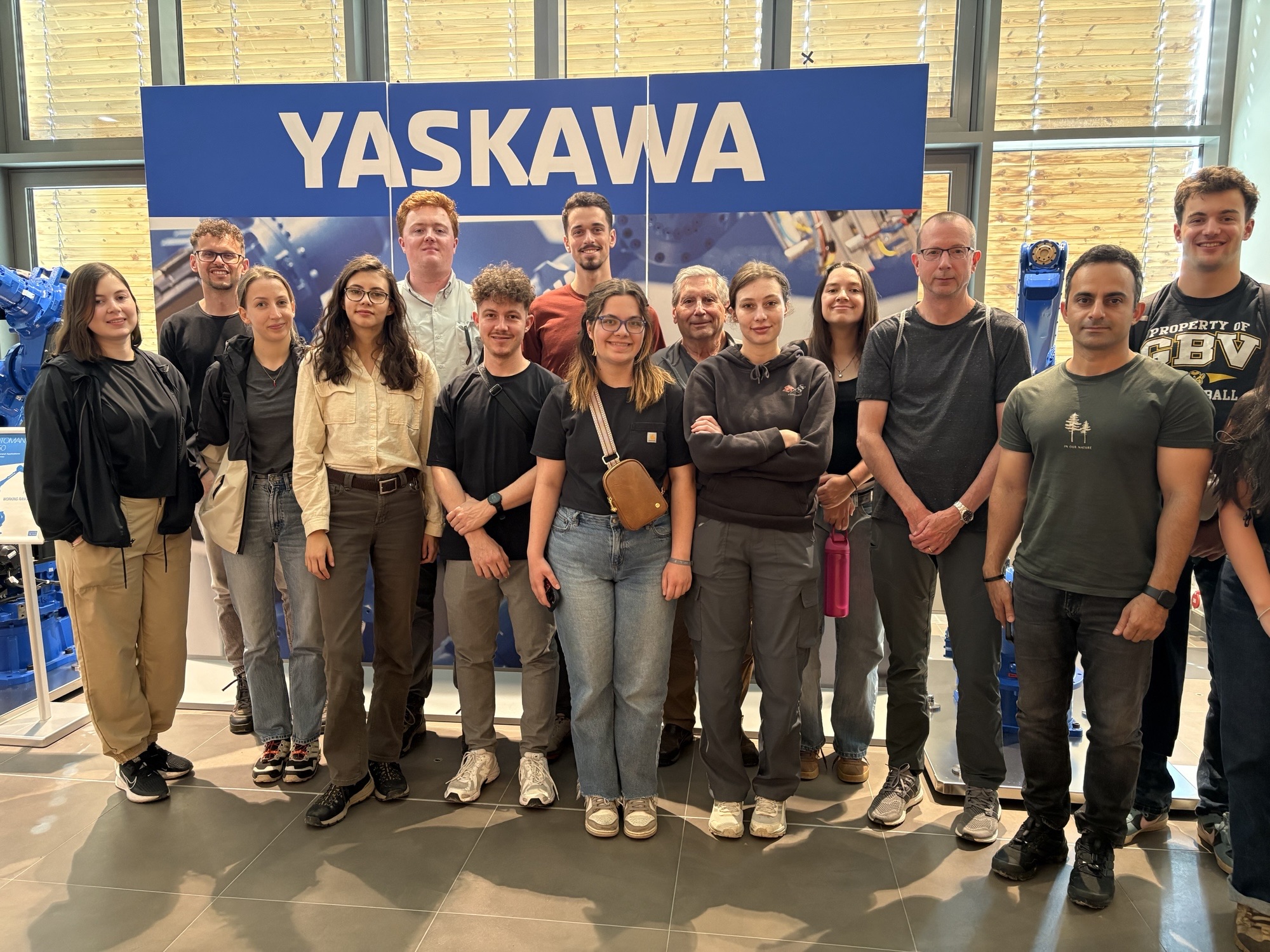
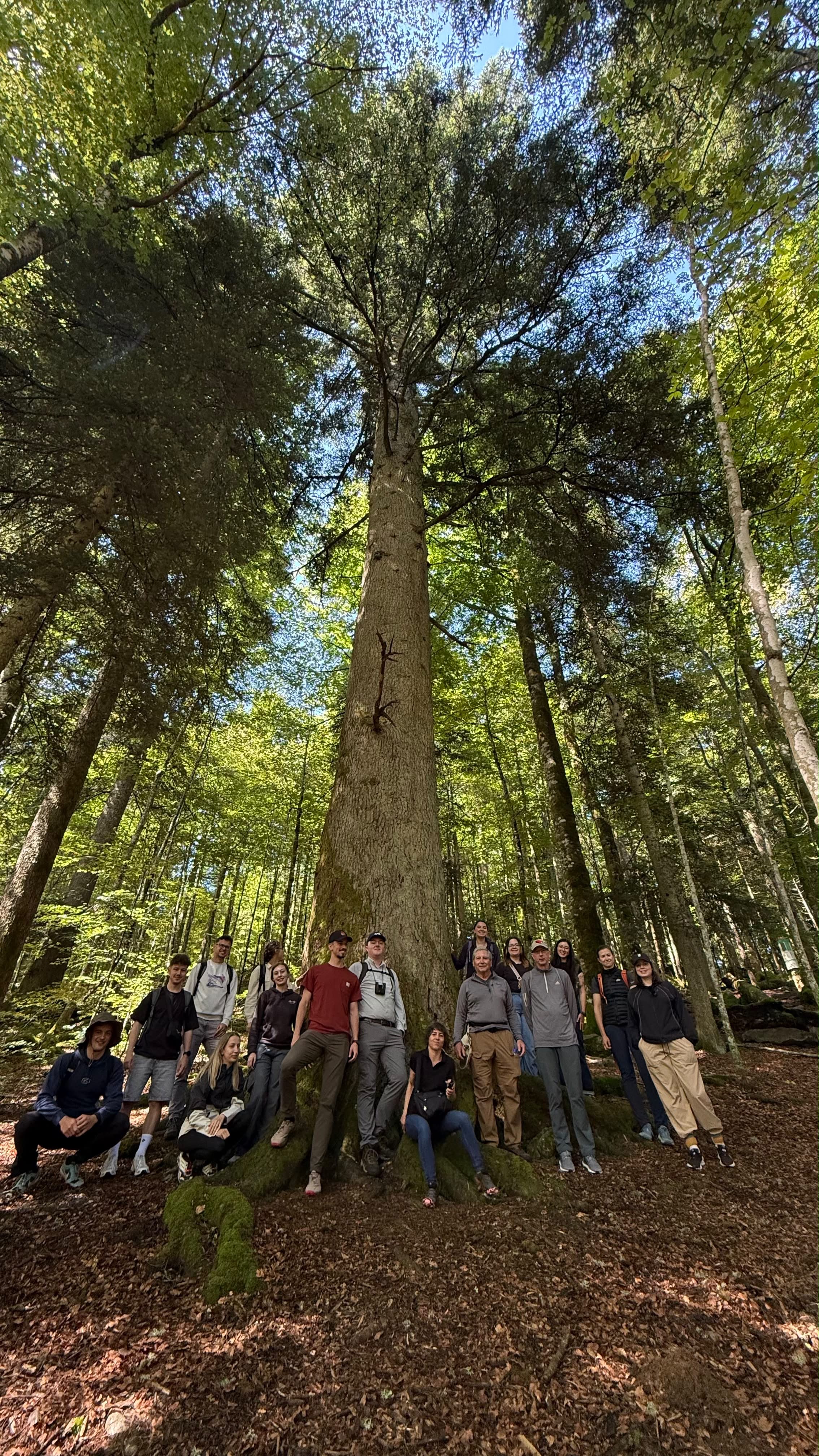
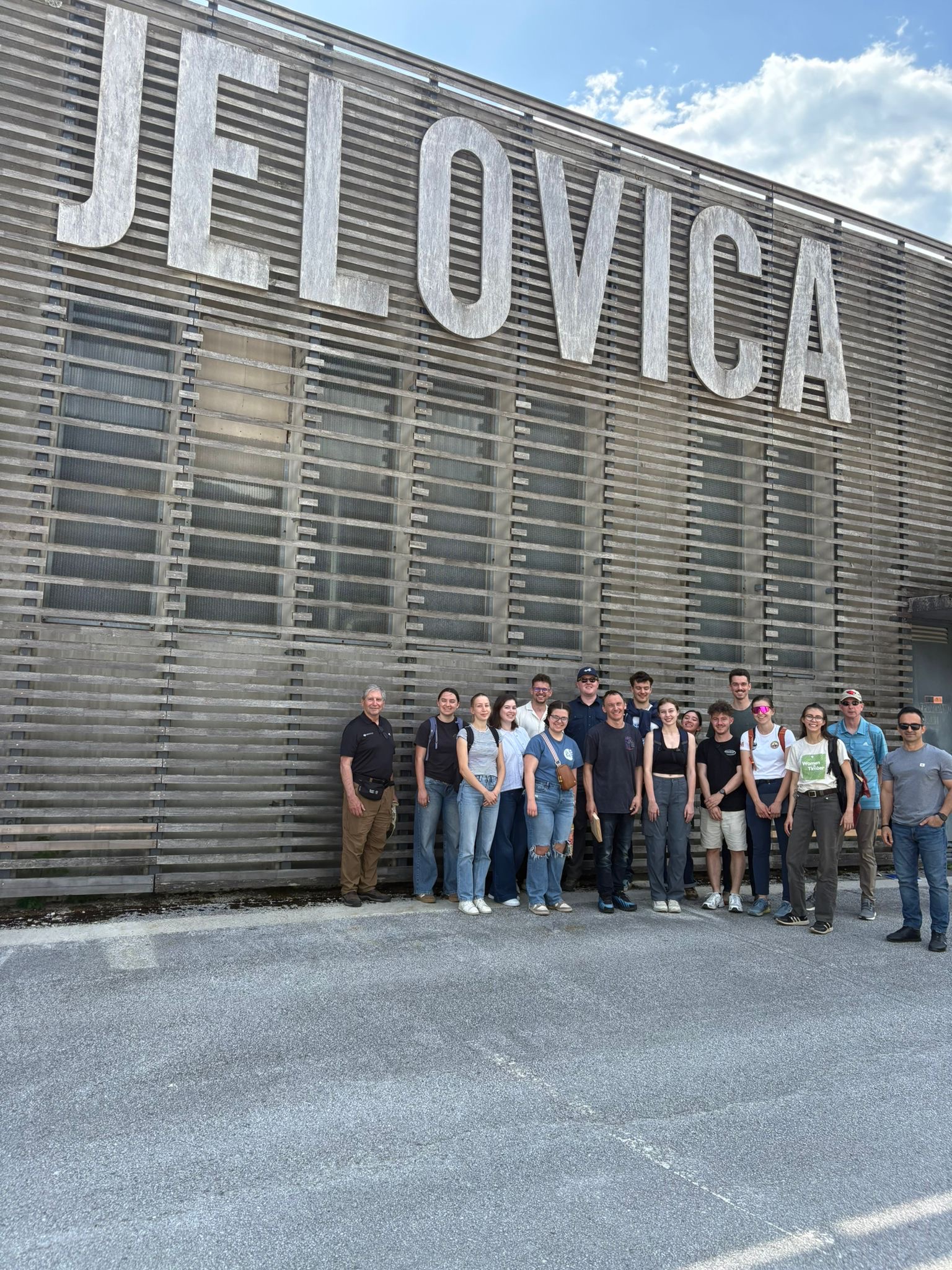
Participants gained insight into the entire value chain of wood, from timber processing to final products such as wooden dowels, connecting lamellas, wooden construction elements, wood-aluminium windows, prefabricated wooden houses and cross-laminated timber (CLT). Special emphasis was placed on innovative solutions for sustainable timber construction.
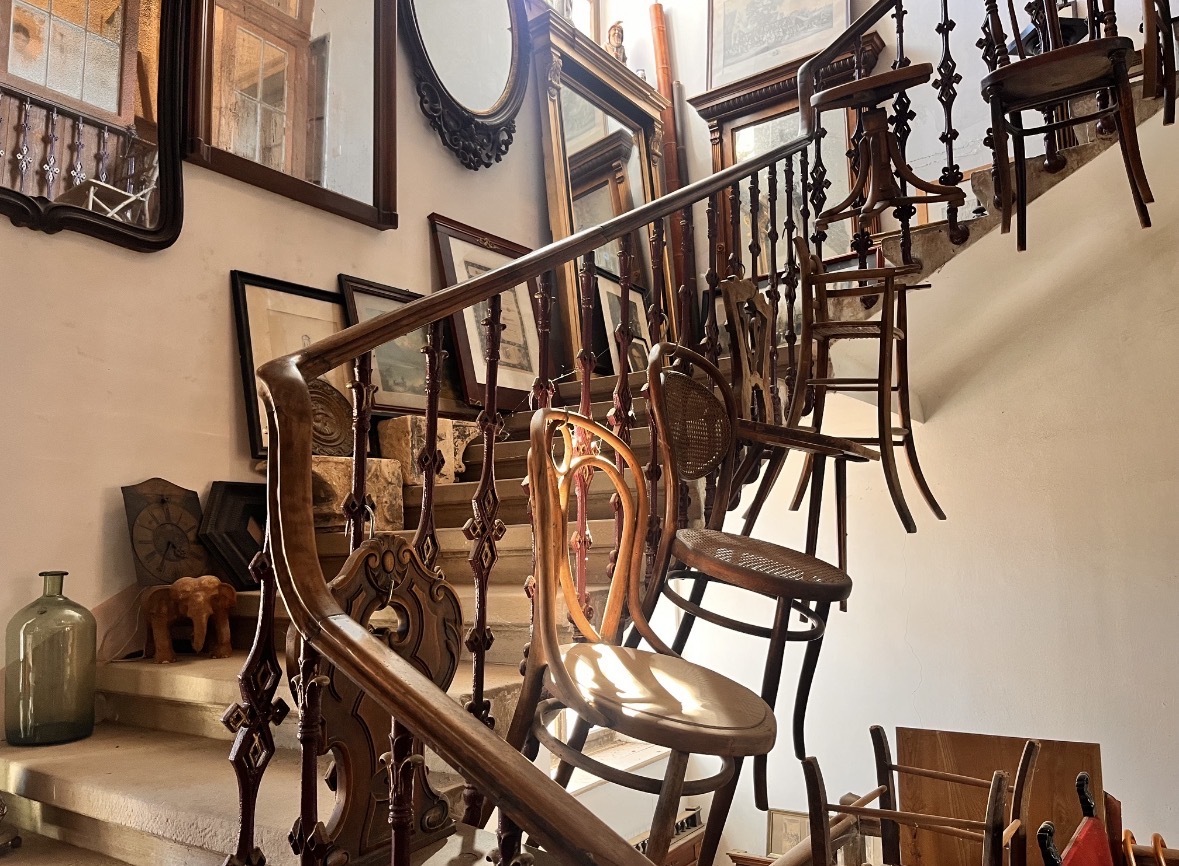
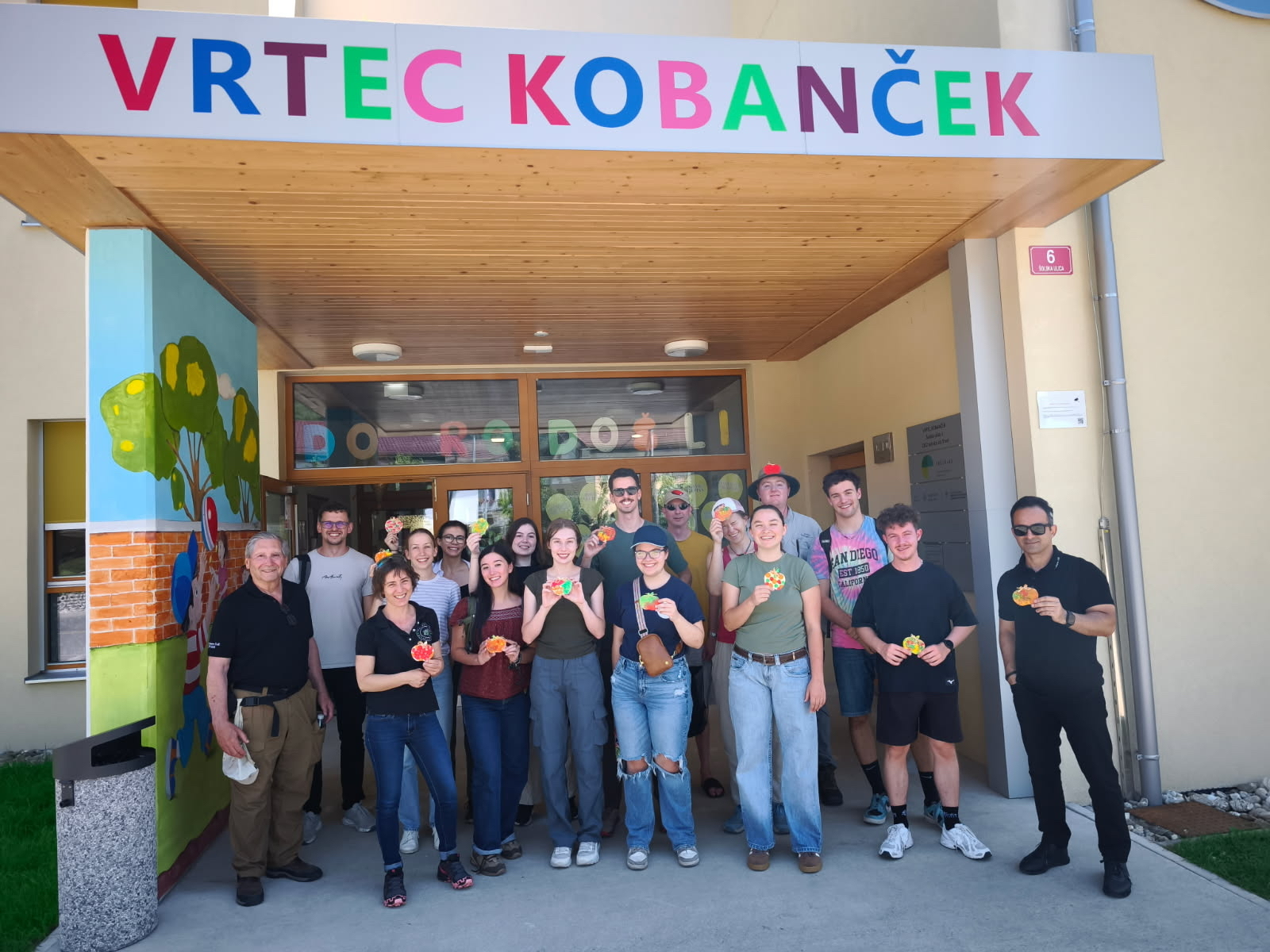
During the summer school they visited also the five-storey timber building under construction in Umag, Sečovlje Salt Pans Nature Park, Kobarid Museum, the wooden kindergarten in Selnica ob Dravi and the Antikvitete Trop collection in Velika Nedelja, offering participants additional insights into sustainable construction, cultural heritage and traditional and contemporary uses of wood.
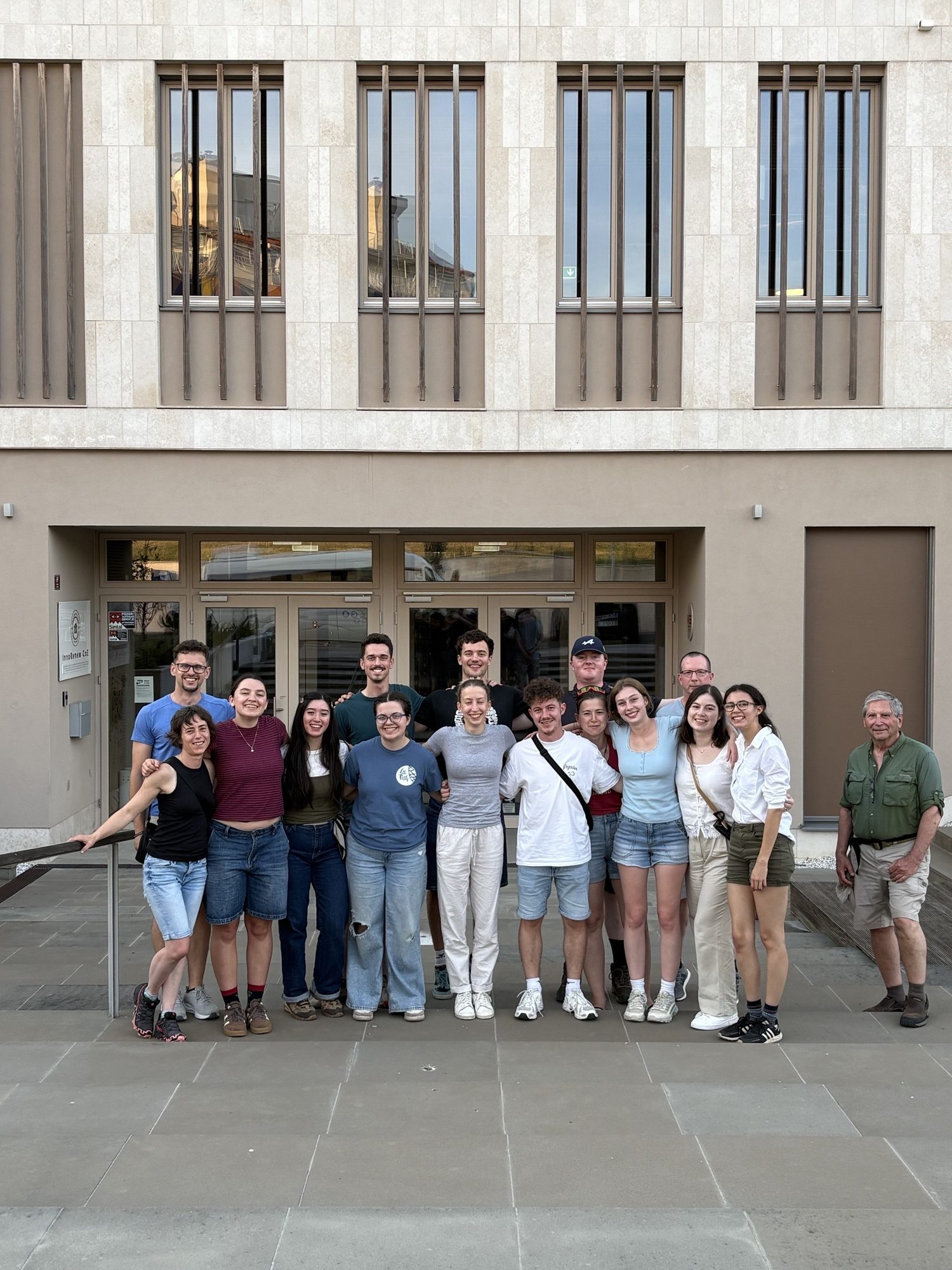
Additionally, they visited the InnoRenew CoE, UP IAM in Izola, the largest wooden building in Slovenia, where participants toured the research laboratories and took part in a workshop within the SediMateria project. During the workshop, they discussed the development of sustainable building materials made from marine sediments and wood residues.
The Summer School was a great opportunity for students to explore Slovenia’s cultural and natural heritage. They visited Bohinj, Bled, Bovec, Kobarid, Sečovlje Salt Pans, Piran, Maribor, Ljubljana and other locations, discovering historical, cultural and contemporary aspects of wood use.
The programme brought together knowledge, research, industry and culture, while strengthening international cooperation among the participating universities.
Participant’s thoughts on the Summer School
“During our time in Slovenia we had the opportunity to better understand the connection between sustainable forestry practices and wood manufacturing processes, which I look forward to applying to my future research and academic/professional interests. I have so much gratitude for the companies that took the time to teach us about their products and processes, as well as the great group I got to experience it with.”
– Emersen, Structural engineering and wood science PhD student at Oregon State University
“This experience provided a valuable perspective on Slovenia’s wood sector by showing how forests, primary and secondary wood industries, and supporting sectors are interconnected within regional and global markets. Visiting a wide range of companies also highlighted that different products and services place higher value on distinct aspects, such as precision, efficiency, personalization, craftsmanship, or cultural heritage. These priorities are reflected not only in the final products but also in the processes themselves, as seen in fields like furniture restoration, where the history behind an object is a big part of the value of the restored piece, or the dowel industry, which requires and reflects high precision.”
-Nicole Sarmiento, Architect and PhD student Wood Science and Engineering at Oregon State University
“The time I’ve spent in Slovenia has allowed me to grow and develop my perspective on how wood products are made around the world and how it compares to the U.S. in terms of efficiency, sustainability, and quality. I’ve greatly enjoyed getting to learn the culture and spend time in Slovenia’s beautiful outdoors.”
-Savannah, Wood Science and Engineering student from Oregon State University
“While visiting Ledinek Engineering, we had a chance to speak to one of their representatives that deals with North America frequently. Being able to have a direct reference that was able to tell us about our local industry from an outside perspective, especially in relation to choices in investment, was extremely valuable.”
– Connor Dederich, Wood Innovation for Sustainability, focus in Marketing and Management, Oregon State University
‘’Slovenia surprised me. I came back to Slovenia looking forward to this program and company tours. Seeing this whole wood chain management really surprised me and I am really grateful that I could be a part of it. What struck me the most was not the efficiency of the technology. It was the perspective of this all which I had not fully encountered before, and it’s one I’ll carry with me.’’
– Finn Monz, Master Advanced Materials Science and Engineering, Saarland University and Luleå tekniska universitet.
“Being able to see the wide array of companies involved in the timber industry over the past two weeks has been truly inspiring, sparking a new set of questions to investigate. This experience was made even more meaningful by an amazing group of attentive classmates, dedicated teachers, and welcoming hosts. Thank you to everyone who made it happen.”
-Abigail Robled, WINS, science & engineering, OSU
“A huge thank you to Andreja and Eric for organizing such an unforgettable experience, and to everyone who made it possible. I learned not only from the inspiring company visits, but also from the many engaging discussions with fellow students. A special thank you to Slovenia for the warm hospitality—this was my second visit, and I already look forward to coming back, hopefully to work together again in the future.”
– Nicolas Ruby, Master Material Science and Engineering with focus on Material Science, Universität des Saarlandes
“Although I come from Slovenia, I had a lot to see in this well-organized program, because changes are frequent and big in the market and in the industry. I gained a lot of new experiences and interests with the excellent company of students from different fields. I was particularly interested in the transfer of knowledge into practice, the representatives gave us good presentations, where we could see the successful outcomes of those projects and their challenges or issues. I am glad to have been a part of it and thank you all very much.”
– Miladin Jokić, Sustainable Build Environment, University of Primorska
“This experience highlighted the benefits of vertical integration and automation in wood production. I particularly enjoyed the small production facilities, where new techniques such as dowel laminated timber were being tested. Overall, I found the built environment surprisingly different from the U.S. and enjoyed seeing a new perspective on sustainable growth and innovation.”
-Quentin Beers, MS Civil Engineering Student, OSU
“In such a short time we were enabled to see the whole timber production circle and witness a lot of cooperations between the visited companies. We had a very thorough overview on how engineered wood products are manufactured and later being used. Such an experience helps a lot with expanding knowledge and allowing you to see things from a different perspective that you might otherwise have missed. It is an important step towards more inclusive and holistic sustainability mentality and an environmental consciousness. Besides the academic perspective, a very much positive side was meeting a lot of amazing, outspoken and warm people. Being able to share knowledge, experiences and stories between so many different people was really an honor. Thank you all!”
– Katarina Legat, MSc Sustainable built environment, University of Primorska
“I found it extremely valuable to gain insight into a wide range of companies across Slovenia, with the opportunity to observe not only their production processes but also their values, priorities and approaches to development. Sharing this experience with fellow students enriched the program, as it allowed me to learn also from their perspective while also developing friendships and learning about the differences between our countries.”
– Zoja Mohorčič, MSc Sustainable built environments, University of Primorska
“I have been able to learn so much from this experience, especially because I don’t have a lot of knowledge in the subject of wood science just yet. Being able to go to a variety of different places related to the wood industry in Slovenia has helped me better understand how diverse this field is. I learned about how forest management, the processing of lumber, the finished product, and the machines they use are all related and how interconnected the industry really is. It was just incredible getting to know people from different backgrounds and how that makes us all think differently. I am beyond grateful for this opportunity and the people that made it happen.”
– Eloise Fleschner Civil Engineering and Wood Science Undergraduate at Oregon State University
“My study-abroad trip to Slovenia was such an incredibly wonderful experience. Culturally enriching, academically impactful, visually stunning, and thoroughly inspiring. I made friends and memories to last a lifetime!”
– Elizabeth Tucker, Architectural Engineering and Wood Innovation for Sustainability (Science and Engineering focus), Oregon State University